Choosing LED color temperature and a dimmer for old fluorescent fixtures
The fixture matters less than two numbers on the box: the K rating and the dimmer it's paired with.
October 20, 2026 · 4 min read
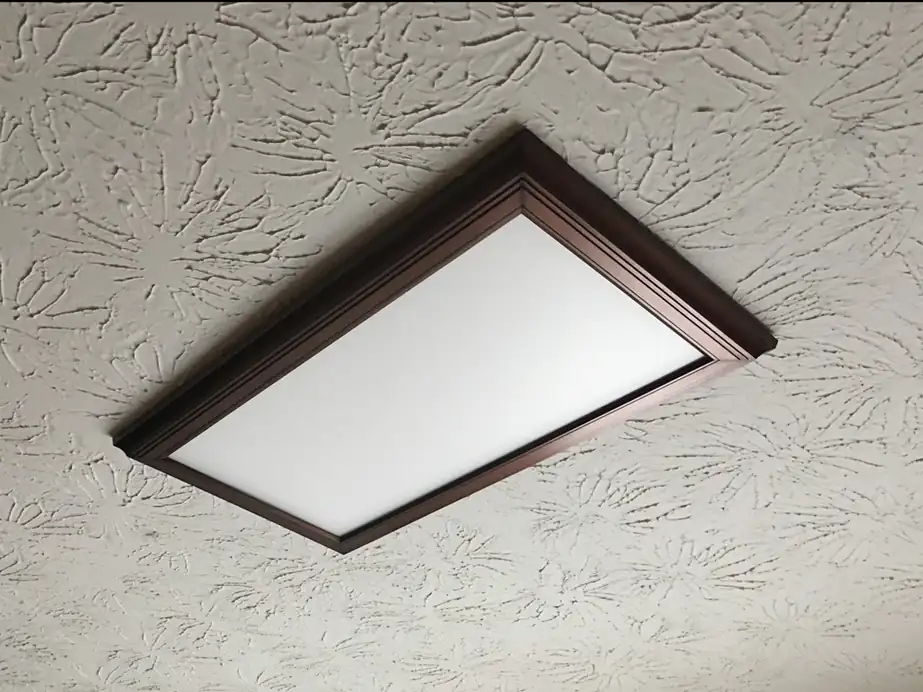
Old fluorescent troffers are easy to live with until they aren't. The tubes flicker, the covers yellow, and the whole room carries a cold, greenish cast that makes a kitchen look like a break room. Replacing them with LED is one of the more satisfying small upgrades a house can get. It's also easy to get slightly wrong, because the choice that matters most isn't the fixture. It's the color of the light and what controls it.
John Blakemore did exactly this kind of swap on one recent job: old fluorescent troffers out, LED in, and some advice on K ratings along the way. Here's what he talks through before any fixture goes up.
What the K rating actually tells you
K stands for Kelvin, and it describes the color of white light. A lower number is warmer and more yellow, like a traditional incandescent bulb. A higher number is cooler and bluer, closer to daylight. Around 2700K you get a soft, golden glow that suits living rooms and bedrooms. Around 3000K is a little whiter but still friendly. Around 4000K reads as neutral and crisp. Around 5000K looks like bright daylight and can feel harsh indoors.
Fluorescent tubes in older fixtures often sat on the cool end, which is part of why those rooms feel flat. Going straight to the same cool number in LED keeps the problem. Going too warm can make a workspace feel dim and sleepy. The right choice depends on what you do in the room and what's in it.
Match the light to the room and the finishes
Wood and warm paint colors look best under warmer light. Cherry cabinets, oak floors, and tan walls glow at 2700K or 3000K and turn dull and gray under something cooler. White cabinets and tile can handle a neutral light, but they can also go clinical if you push too high. A craft room, laundry room, or workshop is different, because there you're judging colors and reading small print, so a neutral white often makes more sense.
Whatever you choose, keep it consistent within a space you can see all at once. Two fixtures at different K ratings in the same kitchen look like a mistake even when each one is nice on its own. This is the single most common slip with LED, because the packages look nearly identical and the number is printed small. Check the number on every box before it goes in the cart, and check it again before it goes on the ceiling.
On that job, the kitchen got two new fixtures, and the homeowner picked an Edison-lamp pendant to hang over the island. Edison-style lamps are meant to look warm and a bit old-fashioned, so they pair best with a warm K rating. Putting a cool bulb in a pendant like that defeats the reason you chose it.
Dimmers: the part that causes the buzz
A good dimmer does more than set the mood. Turning a light down also uses less power, so the right dimmer can save you money, which is how John describes it on his services page. The catch is that LED fixtures and old dimmers don't always get along. Dimmers designed decades ago for incandescent bulbs can make LEDs hum, flicker, flash on and off at low settings, or refuse to go truly dark.
Here's what to check before you buy:
- Look at the fixture or bulb packaging and confirm it says dimmable. Many LEDs aren't.
- Use a dimmer made for LED loads, and check that the dimmer and the fixture list each other as compatible.
- Know how many fixtures will share one dimmer, since the combined load has to suit the dimmer's rating.
- Expect a small difference between brands. If one fixture flickers at the low end while its neighbor doesn't, the fixture is the first suspect.
If you want a dimmer on a room with several fixtures, it's smart to settle the fixture first and the dimmer second, then test the pair before the ceiling is closed back up. Fixing a hum is easy at the switch box and annoying anywhere else.
Details that make the room look finished
The best part of replacing old troffers is what happens to the opening they leave. A 2 by 4 foot ceiling hole is a big visual gap if the new fixture doesn't fill it. In one room on that job, the answer wasn't a light at all. John filled the old opening with a panel stained to match the crown molding, so the ceiling reads as one deliberate piece instead of a patch.
That's the kind of decision worth making on paper before demolition starts. Where do the lights go? Which ones are on a dimmer? Which rooms get warm light and which get neutral? A few minutes of planning keeps the wiring, the fixtures, and the finish work pointed the same way.
John has spent 35 years as an electrician, from tradesman to senior construction project manager, and these small lighting projects are a regular part of his week. He installs lighting fixtures, recessed and track lighting, ceiling fans, and dimmers. If you're staring at a yellowed troffer and wondering what to put in its place, call or text John at 865-978-0489 for a free estimate. His labor carries a 1-year guarantee.
I'm Your Handyman Knoxville, 865-978-0489
Call 865-978-0489